
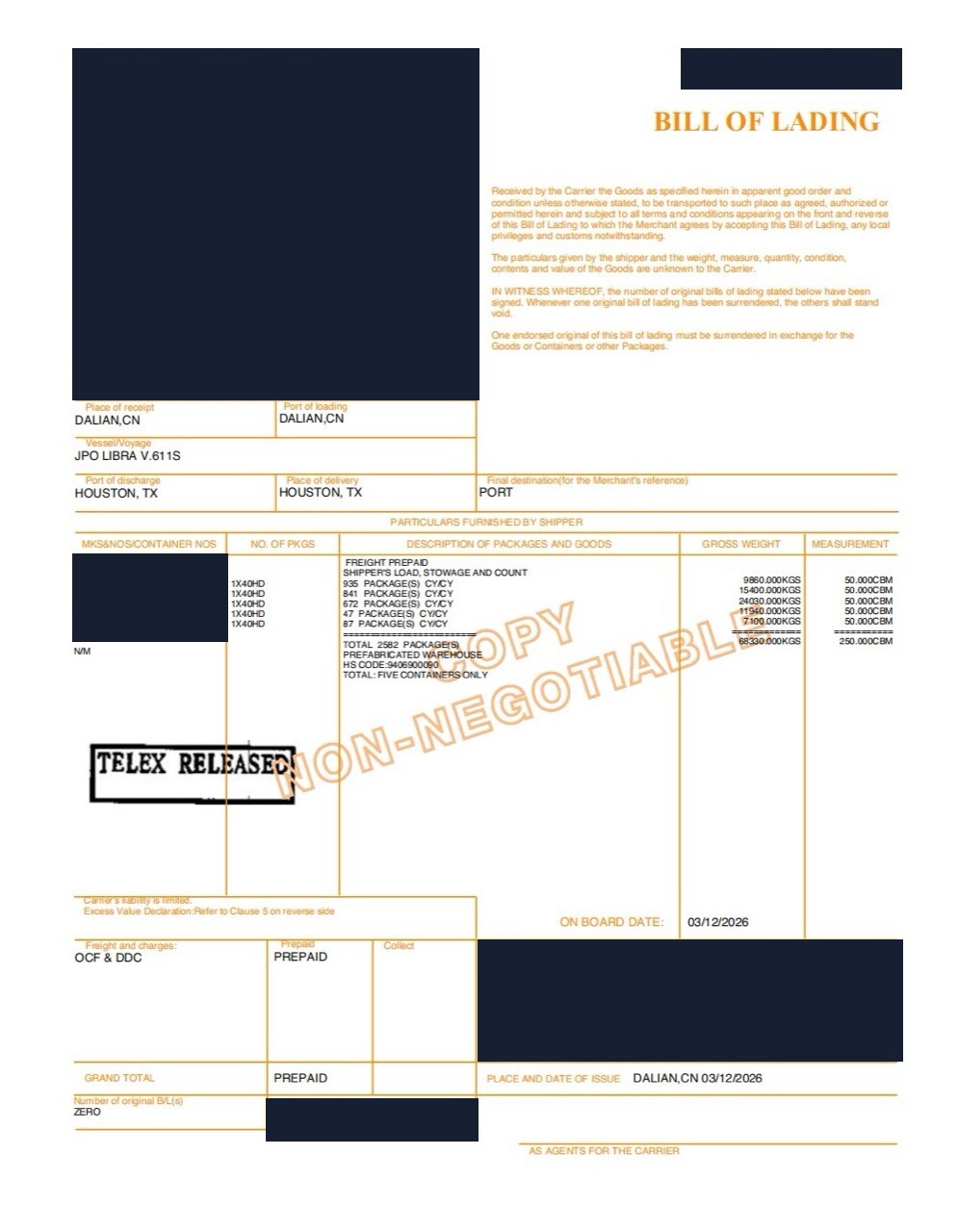
Key takeaways
- A shipment record can support route, cargo and operating facts.
- Redaction protects customer and commercial information.
- Past timing or scope does not guarantee the result of another shipment.
Scope note: This article provides general planning guidance. Carrier acceptance, customs, compliance, price and timing must be confirmed for the actual shipment.
What a record can support
Transport and delivery records can show that cargo moved under a stated route, mode, weight, package profile or service scope when the source is authentic and interpreted accurately.
- Match the narrative to the visible record.
- Separate verified fields from operational explanation.
- Preserve the original document securely.
Why redaction matters
Customer names, addresses, contacts, account numbers, signatures and tracking identifiers may need to be obscured before publication.
- Redact only the necessary confidential fields.
- Do not alter route and cargo facts.
- Label the record as redacted evidence.
What a case cannot promise
A past shipment does not guarantee future price, carrier space, customs treatment or transit performance because cargo and market conditions change.
- Use cases for planning context.
- Request a current cargo-specific quotation.
- Review current rules for regulated products.