
EXW
The buyer commonly takes responsibility from the seller’s premises, including pickup and export arrangements.
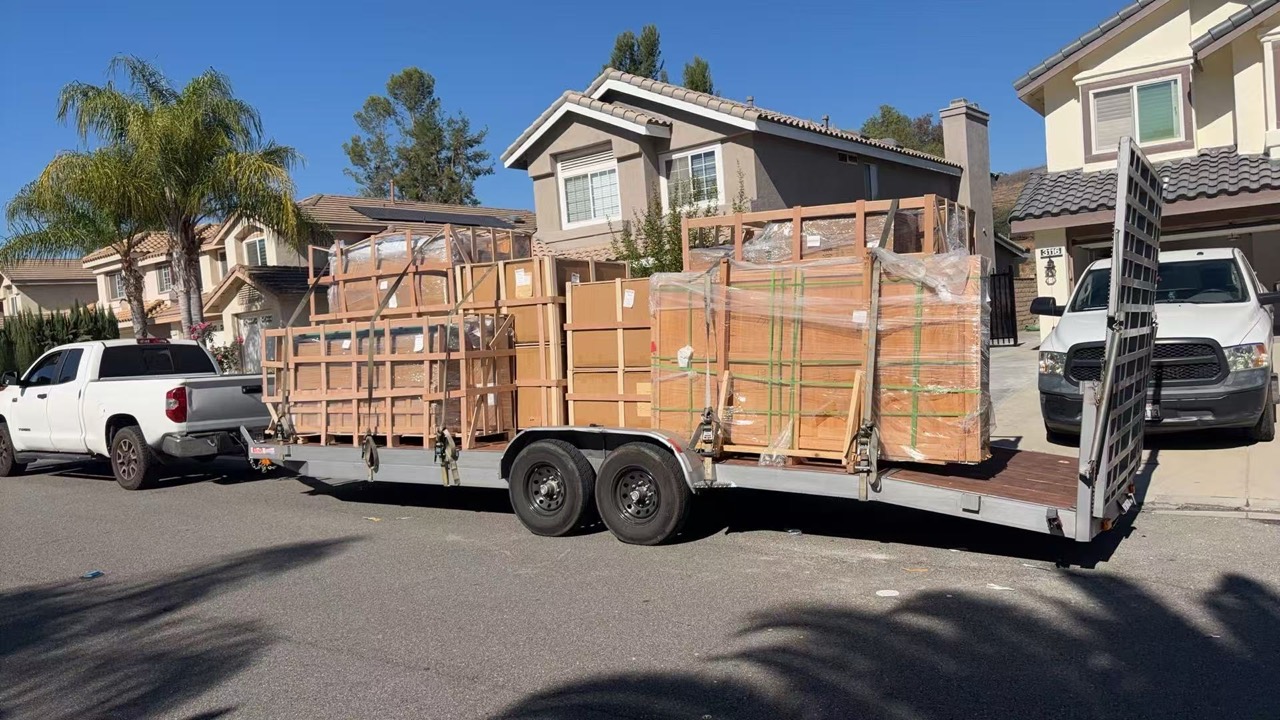
Commercial Responsibility
Compare EXW, FOB, CIF, DAP and DDP responsibilities before agreeing pickup, freight, customs and delivery scope.
Start with the essentials →Essential framework
Incoterms allocate cost and risk responsibilities between seller and buyer. They do not define every carrier charge, customs requirement, insurance condition or delivery exception, so the written freight scope still matters.
The buyer commonly takes responsibility from the seller’s premises, including pickup and export arrangements.
The seller delivers under the agreed ocean-port responsibility; the buyer arranges main freight onward.
The seller arranges named-port ocean freight and minimum insurance, while destination obligations remain important.
Both can involve delivery to a named place, but import-duty and customs responsibility differ materially.
Planning checklist
Requirements still depend on the actual product, route, commercial arrangement and destination authority.
State the exact factory, port, airport or destination
Confirm who provides exporter records and declarations
Identify who books and pays the international movement
Confirm whether cargo cover is arranged and on what basis
Identify the importer and customs-responsible party
Define unloading, appointments, access and exceptions
Related resources
Use the complete guide, service or evidence page when you need more than a general definition.
Common questions
Open each answer for general planning guidance, then confirm shipment-specific requirements.
No. Door-to-door describes physical movement. The buyer may still be responsible for import duty, tax or importer obligations.
No. DDU is an older term still used commercially. The written scope should explain the actual duties-unpaid arrangement.
Not automatically. Inspections, storage, reassessment, remote delivery, failed delivery and specialist unloading may be excluded or conditional.
There is no universal best term. The practical choice depends on supplier capability, importer readiness, product rules and each party’s logistics capacity.
Apply the knowledge
Share the product, packing, value, origin, destination, delivery responsibility and ready date.